
How Electromagnetic Brakes Improve Wind Turbine Safety
The wind power sector continues to expand as one of the largest renewable energy industries worldwide. Wind turbines are often installed in demanding locations such as mountain regions, high elevations, and strong-wind zones. In those conditions, the reliability of the braking system becomes critical for both safety and performance.
Electromagnetic braking systems help stop the rotor or maintain controlled positioning during maintenance, emergency shutdowns, and abnormal operating conditions. If a brake fails in a wind turbine, the result can be mechanical damage, safety risks for personnel, and major production losses. This article explains how electromagnetic brakes work, why fail-safe designs matter, and how Arrkay supports wind energy applications.
Understanding the Role of Braking Systems in Wind Turbines
Wind turbines operate continuously and must remain controllable even when wind conditions become extreme or maintenance is required. A reliable braking system is essential for safe rotor control and for protecting the turbine structure from overload.
Primary uses of a wind turbine braking system
- Stopping quickly when wind speeds become excessive and could damage the turbine.
- Controlling the rotor during turbine start-up and shutdown.
- Allowing technicians to perform maintenance safely.
- Preventing excessive rotor speed from damaging critical components.
Without an adequate braking system, rotor blades may continue spinning uncontrollably and create serious damage to the turbine itself. Learn more about wind turbine technology from the U.S. Department of Energy.
What Are Electromagnetic Brakes?
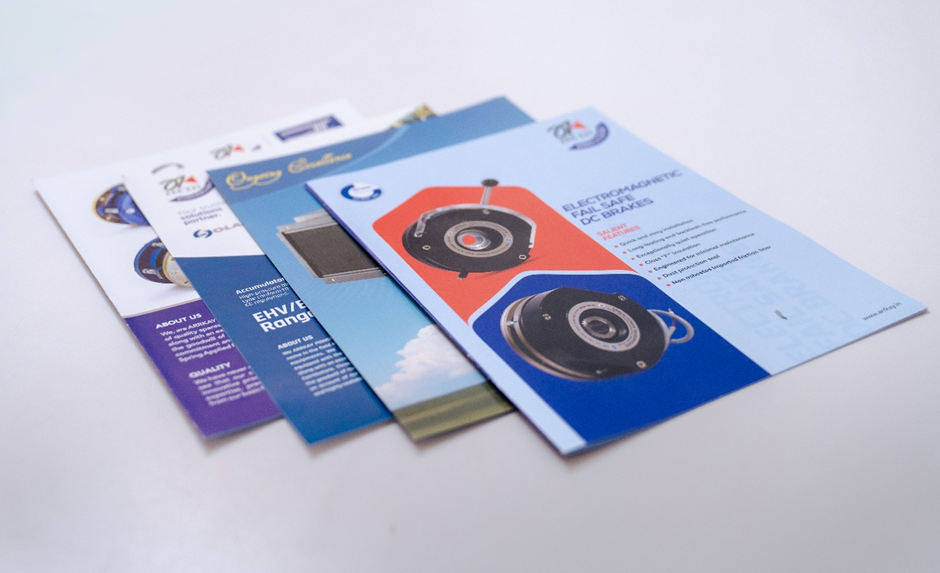
Electromagnetic brakes operate by applying electric current to a coil, which creates a magnetic field. That magnetic field controls the brake release mechanism. One of the main reasons this technology is widely trusted is its fail-safe design: when electrical power is lost, the brake automatically engages.
That feature brings the connected machine or rotor to a stop during electrical failure, making electromagnetic braking one of the safest solutions available for critical industrial equipment. Arrkay Power Transmission introduced electromagnetically operated fail-safe braking systems in 1992 to deliver dependable performance under demanding conditions.
How Electromagnetic Brakes Work
The operating sequence of an electromagnetic brake is straightforward, but highly effective for controlled stopping and emergency protection.
- Activation of power: current flows through the brake coil and creates a magnetic field.
- Armature plate release: the magnetic field pulls the armature plate away from the friction surface.
- Loss of power: when power is interrupted, whether intentionally or accidentally, the magnetic field disappears.
- Automatic brake engagement: springs force the armature plate against the friction surface, generating braking torque and stopping the rotor.
This fail-safe sequence allows the turbine to stop safely during an emergency. For additional technical background, see this research article on electromagnetic braking systems.
Why Fail-Safe Brakes Are Essential in Wind Turbines
Wind turbines work in environments where electrical systems alone cannot be the only line of defense. Mechanical backup is mandatory, and fail-safe electromagnetic brakes provide that layer of protection.
Key benefits of fail-safe electromagnetic brakes
- Protection during power outage: if the turbine loses electrical supply because of grid failure or lightning disturbance, the brake engages automatically and limits uncontrolled rotor movement.
- Overspeed protection: during periods of very high wind, electromagnetic brakes help shut the turbine down promptly and reduce the risk of structural failure.
- Maintenance safety: technicians working on blades, gearboxes, or related assemblies rely on the brake to hold the rotor securely.
- Reduced mechanical stress: controlled braking reduces stress on shafts, bearings, and gearboxes, helping extend service life.
Arrkay's Contribution to Wind Turbine Safety
Arrkay Power Transmission has supported the wind energy industry through specialized braking solutions and windmill spare components. Established in 1992, the company has developed a strong reputation for dependable windmill parts and industrial braking products.
Key strengths
- Complete in-house manufacturing: design, machining, testing, and assembly are handled internally, allowing stronger quality control and faster delivery.
- Precision engineering: advanced machinery and experienced engineers support reliability across industrial applications.
- Focus on reliability and safety: braking systems are tested thoroughly for performance and consistency.
Windmill components supplied by Arrkay
These components are used across turbines from major manufacturers such as NEPC, AMTL, and Vestas.
Advantages of Electromagnetic Brakes in Wind Turbines
Beyond safety, electromagnetic braking systems offer several operational advantages that support long-term wind turbine performance.
- Energy efficiency: modern systems consume minimal power while maintaining strong holding torque.
- Reduced maintenance: controlled engagement lowers wear compared with purely mechanical systems.
- Compact design: high torque capacity in a compact form simplifies integration into turbine assemblies.
- Improved reliability: automatic engagement during power loss adds an extra layer of security.
Advancements in Wind Turbine Safety
As wind farms grow in scale and turbine capacities increase, brake technologies will continue to play a more critical role. Improvements in friction materials, electronic control, and fail-safe mechanical systems are expected to deliver even higher levels of efficiency, reliability, and long-term performance.
Companies with strong precision engineering capability, robust testing processes, and deep experience in fail-safe technologies are well positioned to support the next phase of renewable energy growth. With more than 35 years of experience in industrial brakes and wind turbine replacement components, Arrkay continues to develop solutions that improve turbine safety, reduce downtime, and support consistent long-term operation. To know more, visit the Arrkay website.
Conclusion
Electromagnetic braking systems play a vital role in helping wind turbines operate safely. Their fail-safe design, ability to engage during power loss, and suitability for harsh weather make them a practical solution for demanding renewable energy environments.
By combining dependable brake design with strong engineering and testing standards, companies such as Arrkay help wind turbines operate more safely and efficiently while supporting a cleaner energy future.